Sustainable Environment
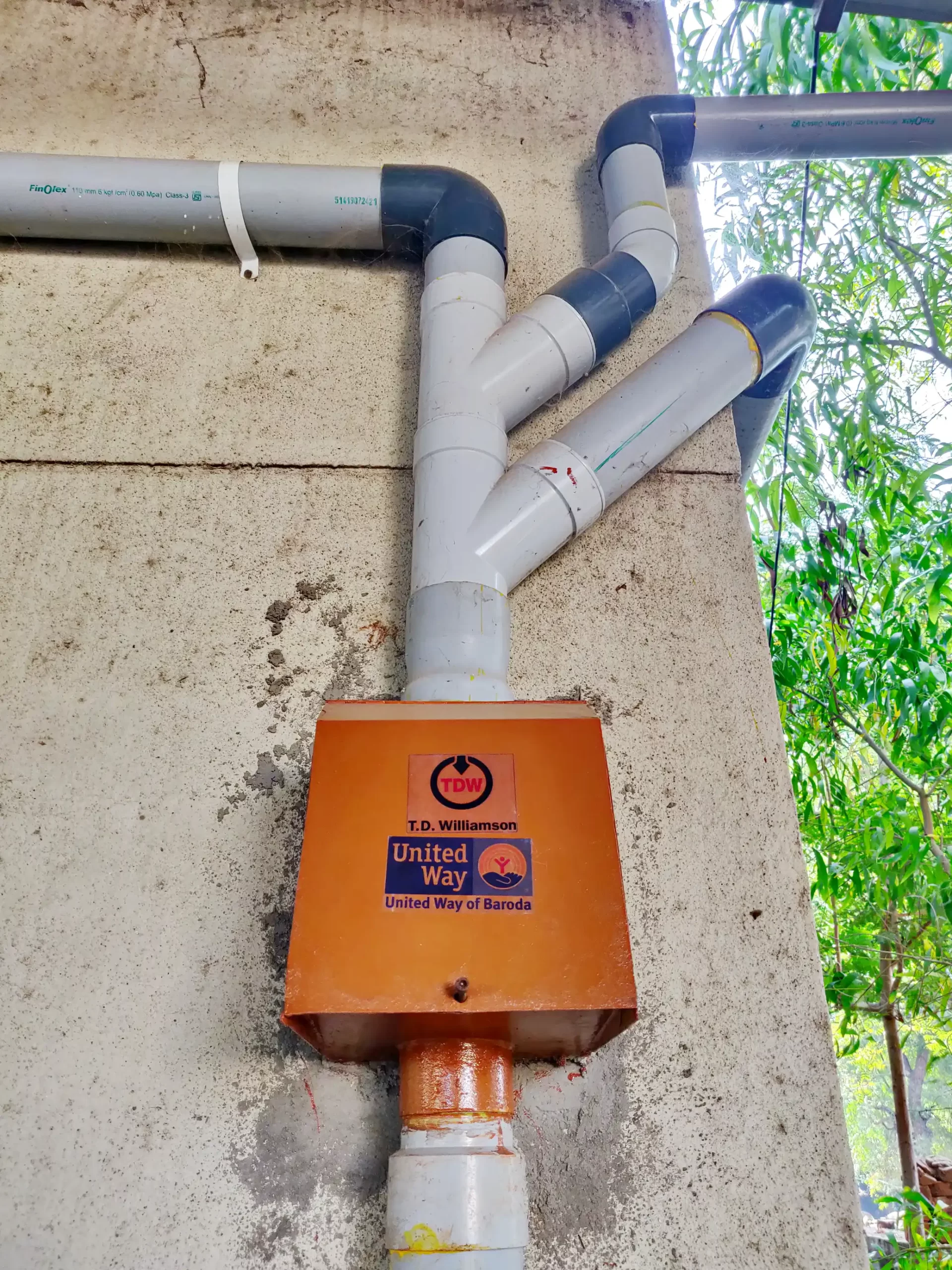
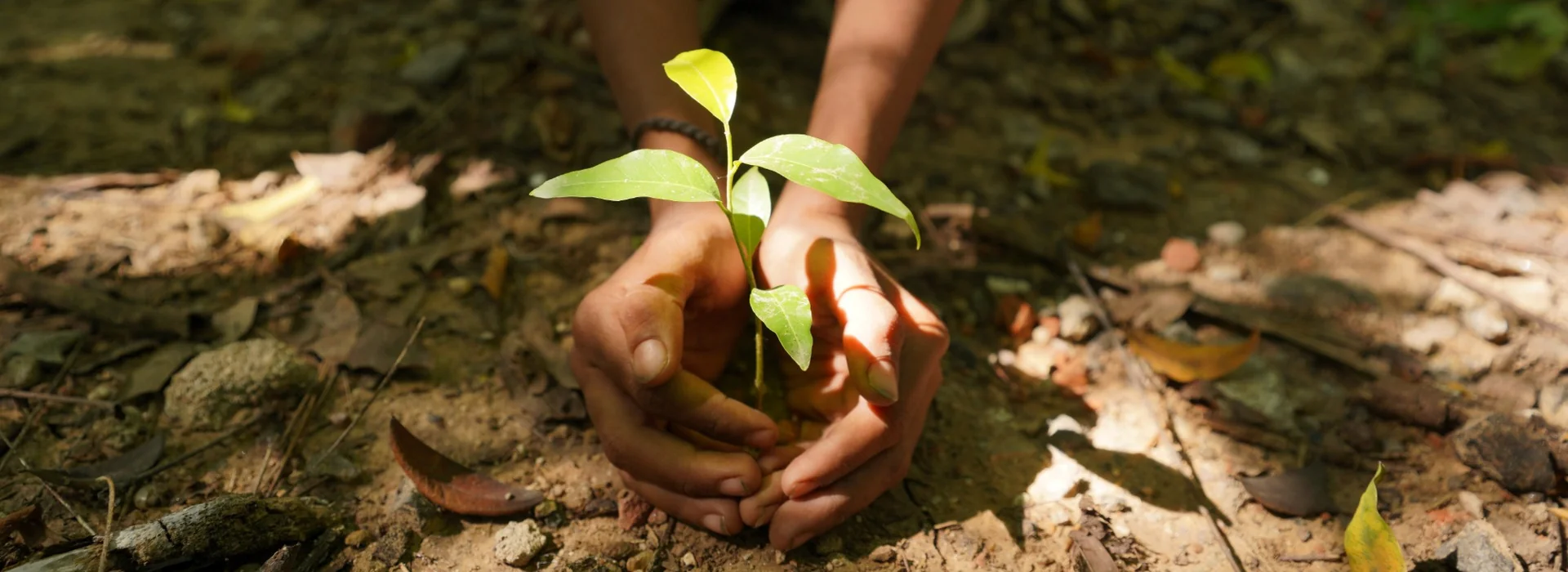
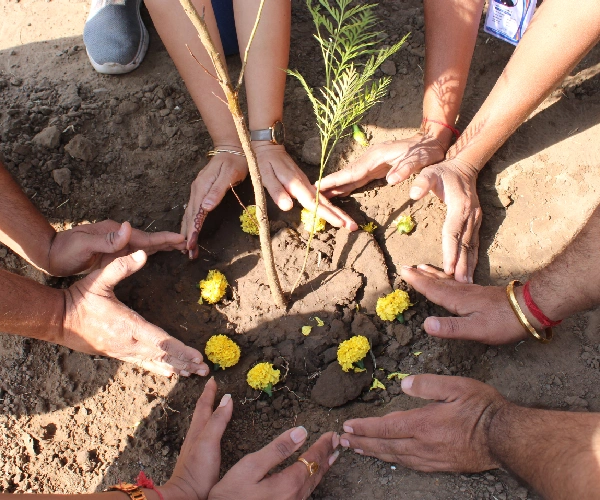
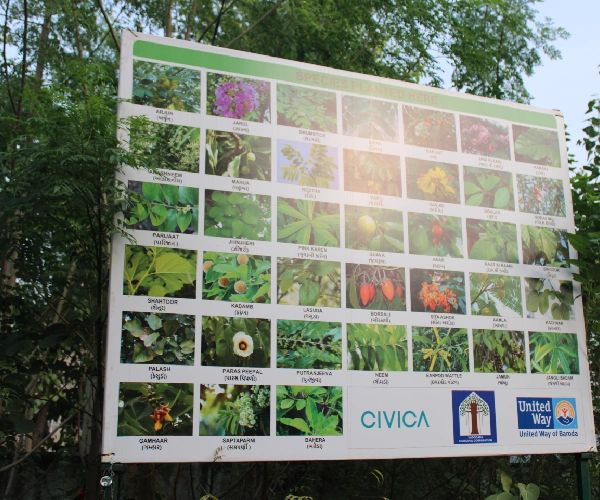
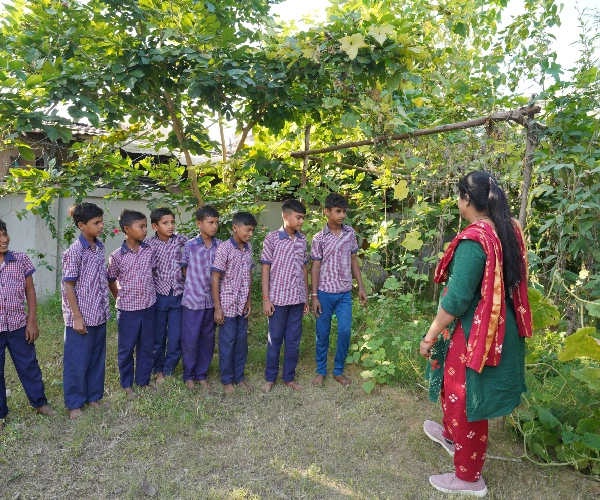
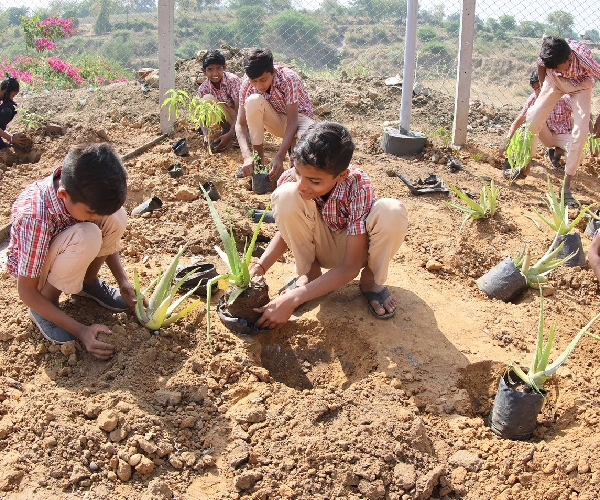
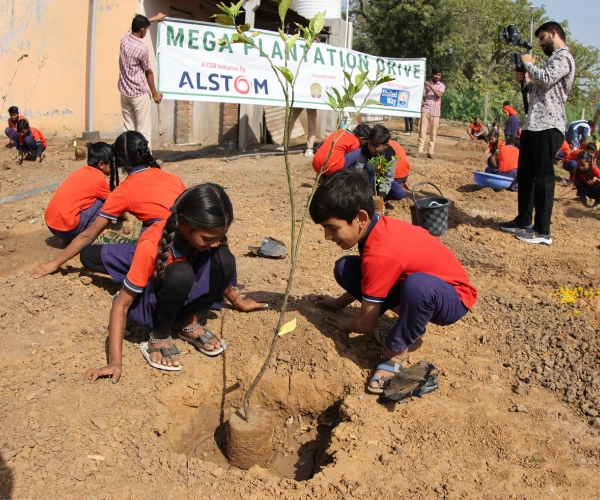
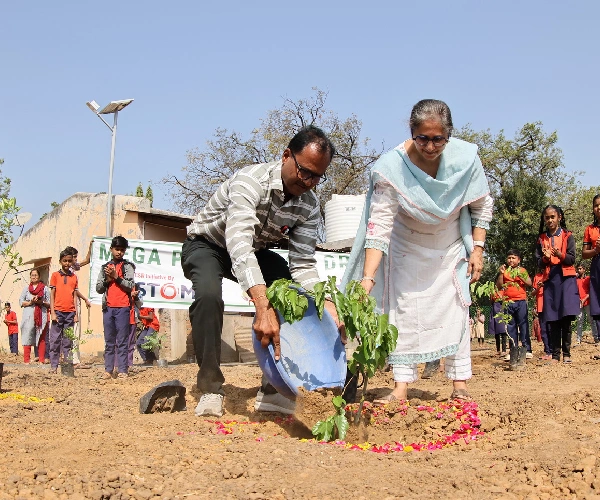
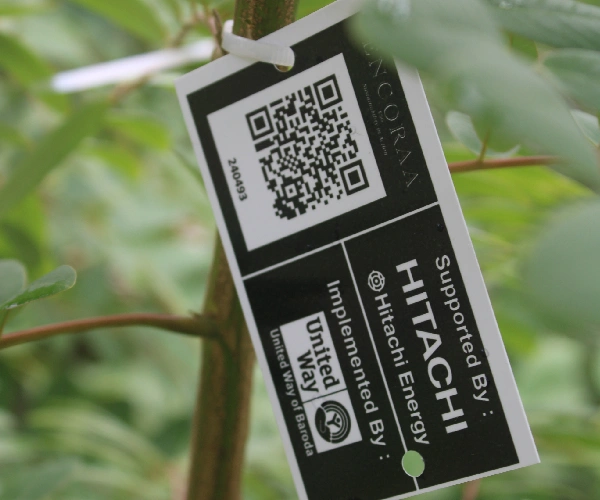
With the support of its CSR partners, United Way of Baroda advanced environmental sustainability through integrated initiatives focused on afforestation, renewable energy, water conservation, and community engagement. Large-scale Miyawaki forest developments were undertaken across urban and rural areas, promoting biodiversity, ecological restoration, and carbon sequestration, with plantation drives aligned to the “Ek Ped Maa Ke Naam” campaign that connected environmental action with social values. These efforts were strengthened through active volunteer participation, fostering a culture of environmental stewardship. Clean energy and green infrastructure interventions included the installation of solar-powered streetlights to enhance safety and sustainability in industrial and rural areas, the introduction of solar solutions in educational and childcare institutions, and the transformation of select schools into green model campuses. Water and sanitation initiatives, including upgrades to sewage treatment facilities, groundwater recharge measures, and the installation of high capacity overhead water storage systems, further supported long-term resource management, public health, and environmental resilience across communities.
Creating Greener Communities for a Sustainable Tomorrow
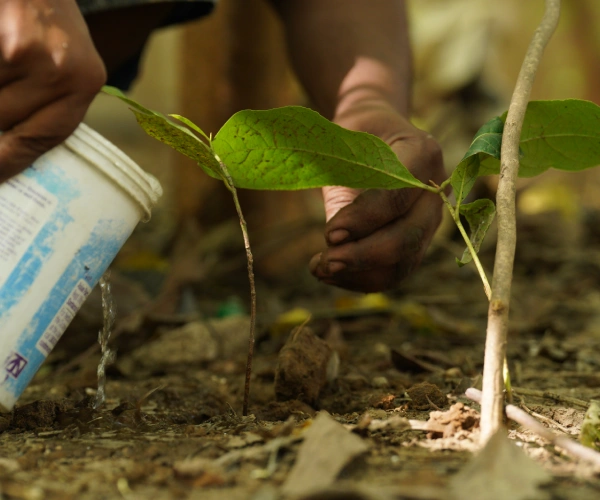
Environmental sustainability lies at the heart of long-term community resilience. At United Way of Baroda, we recognise that protecting natural ecosystems today is essential for ensuring healthier communities and a more sustainable future for generations to come. Through collaborative CSR partnerships, we implement environmental initiatives that restore biodiversity, improve urban ecology, promote renewable energy, conserve water resources, and encourage environmentally responsible practices.
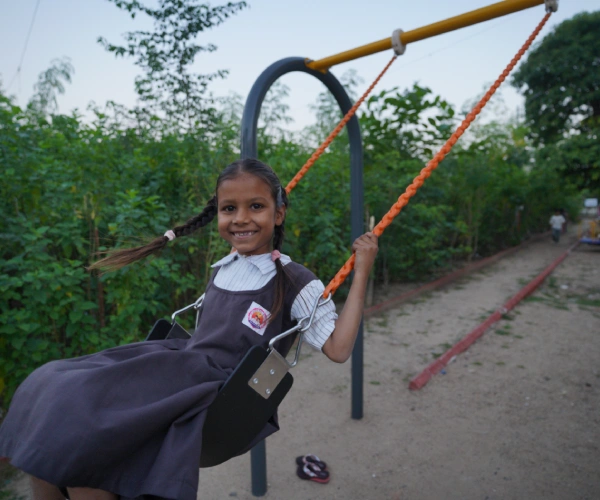
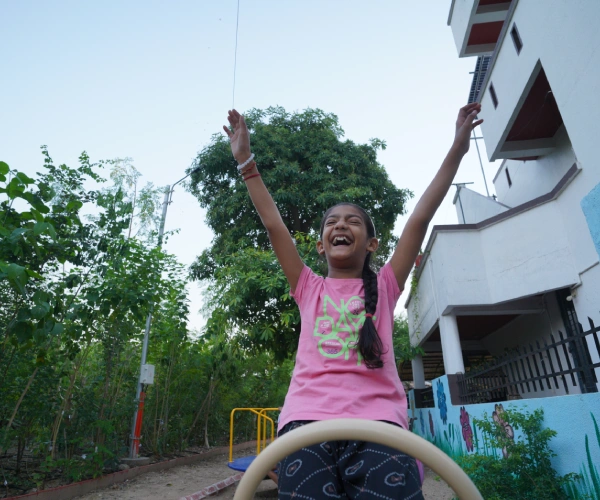
Our environmental interventions span afforestation, renewable energy, water conservation, ecological restoration, and sustainable infrastructure development. From creating dense Miyawaki forests and urban oxygen parks to establishing Green Model Schools and Eco Parks, every project is designed to improve environmental health while encouraging communities to actively participate in conservation efforts. These initiatives not only restore natural ecosystems but also create healthier public spaces, improve biodiversity, and enhance climate resilience.
Complementing these efforts are renewable energy interventions such as rooftop solar systems, solar-powered street lighting, and energy-efficient infrastructure that reduce carbon footprints while promoting clean energy adoption. Water conservation initiatives, Water ATMs, green campus development, kitchen gardens, and environmental awareness campaigns further encourage sustainable lifestyles and responsible resource management across schools and communities.
By integrating environmental conservation with community participation and education, United Way of Baroda is creating greener, healthier, and more climate-resilient communities that will continue to benefit future generations.
Impact at a Glance
104,800
Trees Planted & Maintained
50
Solar LED Street Lights Installed
7
Solar Power Systems Established
13
Water ATMs Installed
Key Initiatives
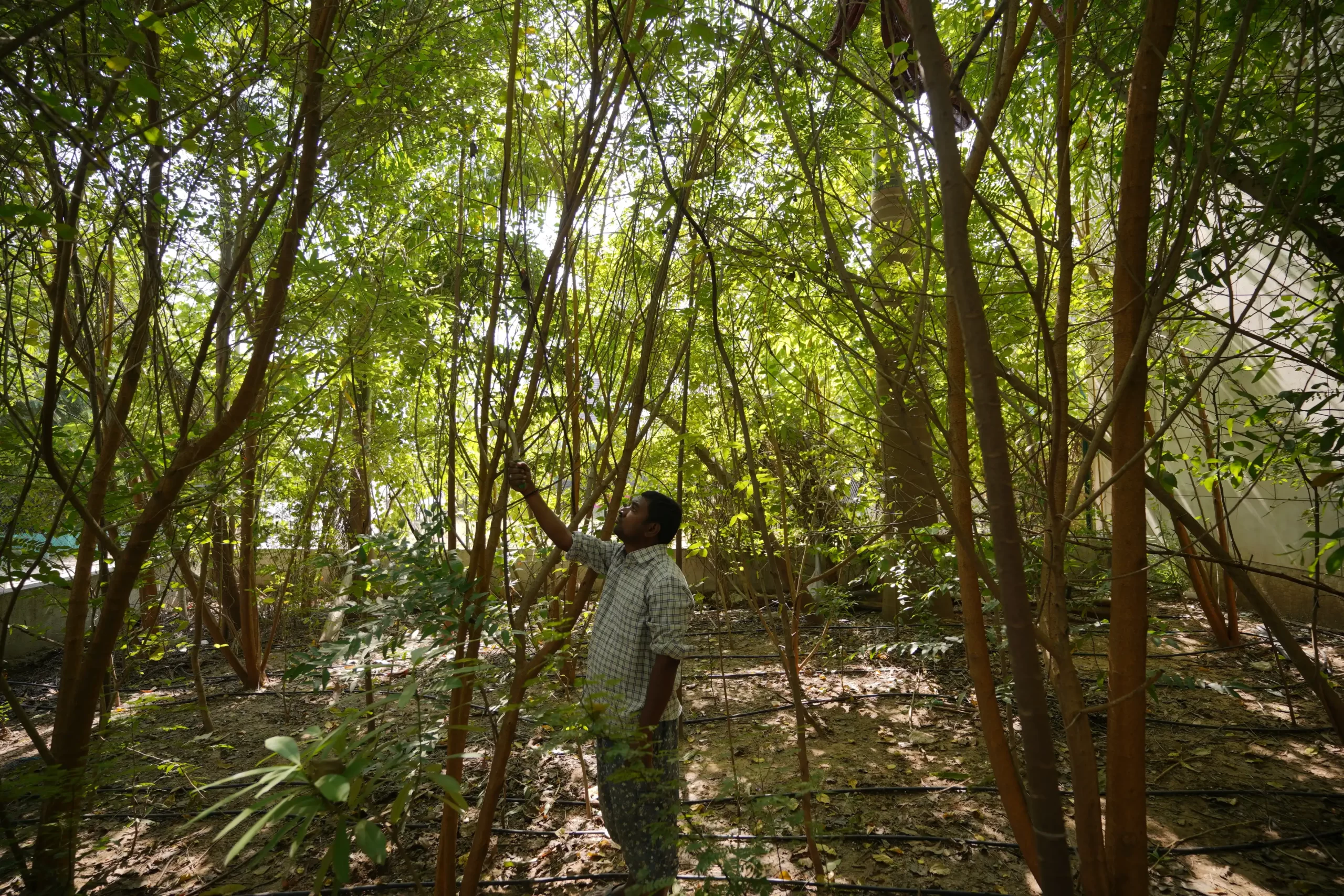
Miyawaki Dense Forests
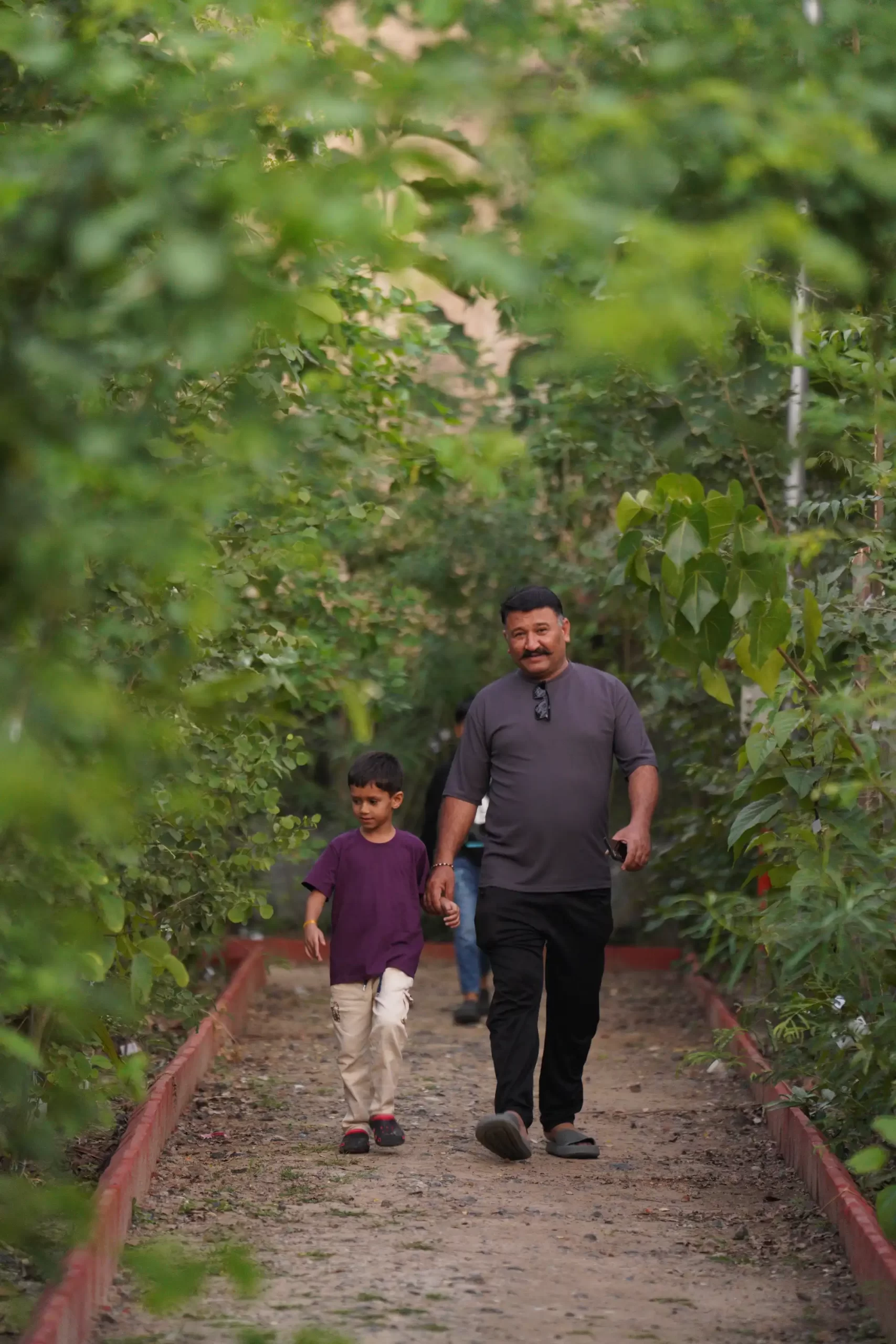
Urban Oxygen Parks
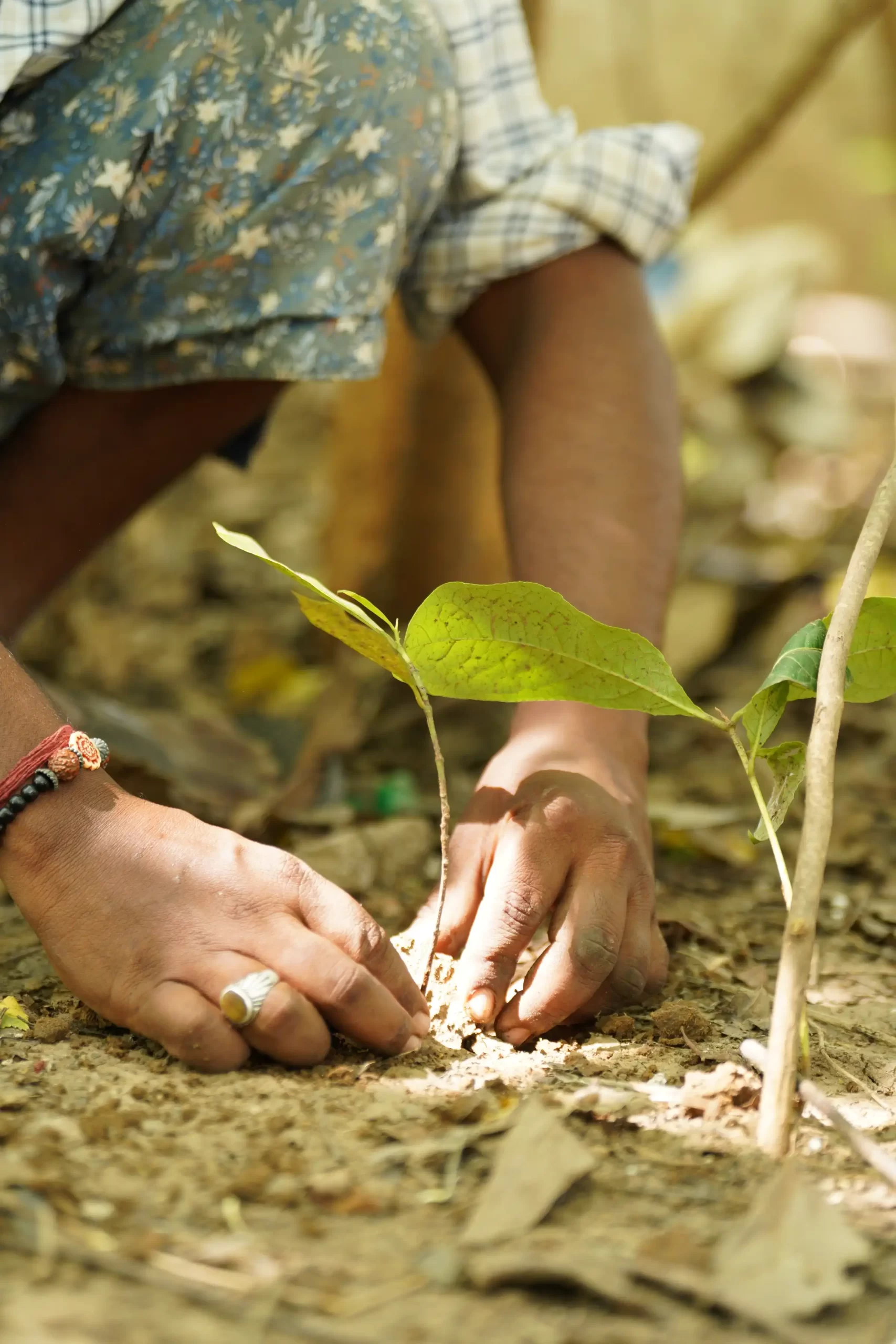
Native Tree Plantation Drives
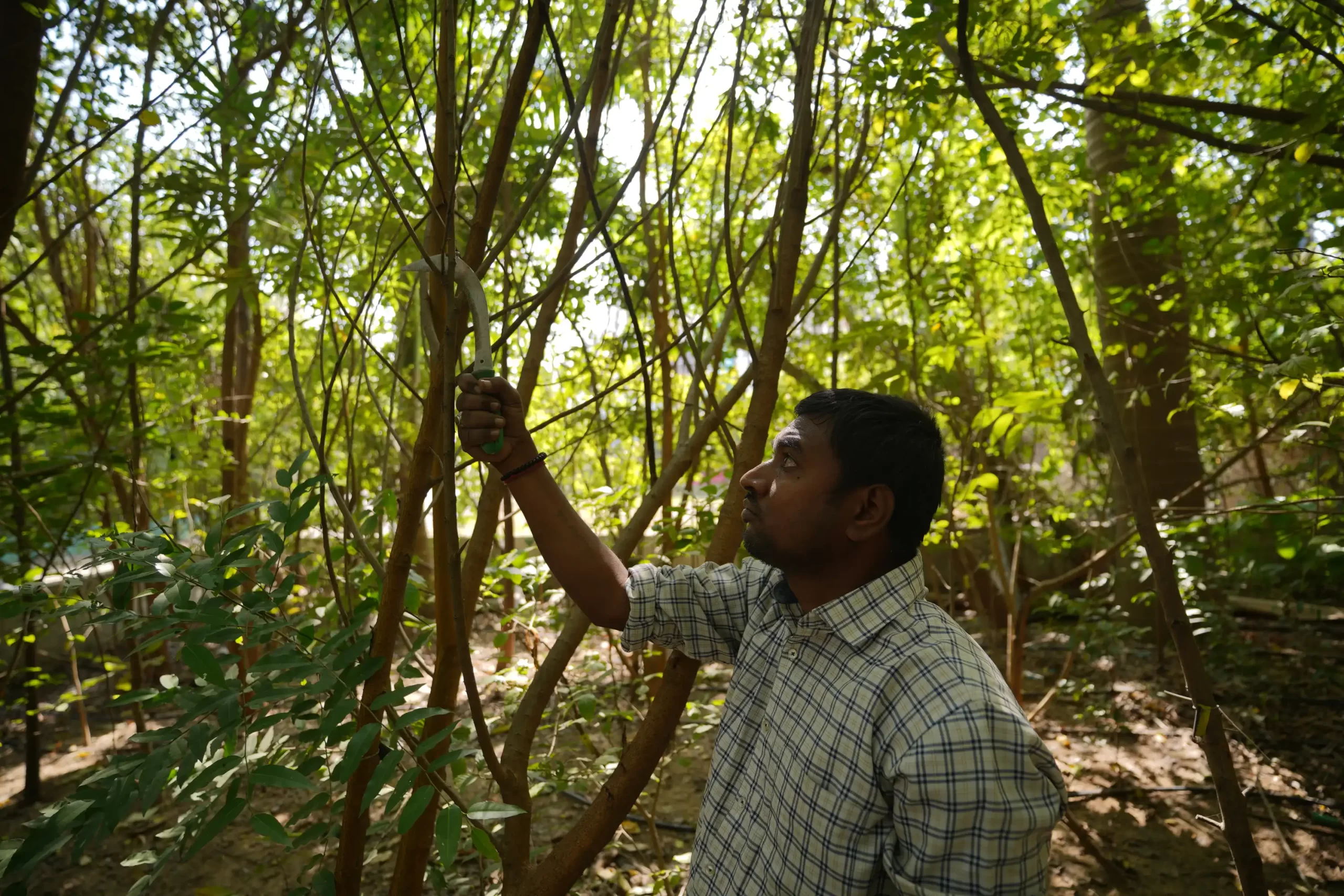
Biodiversity Conservation
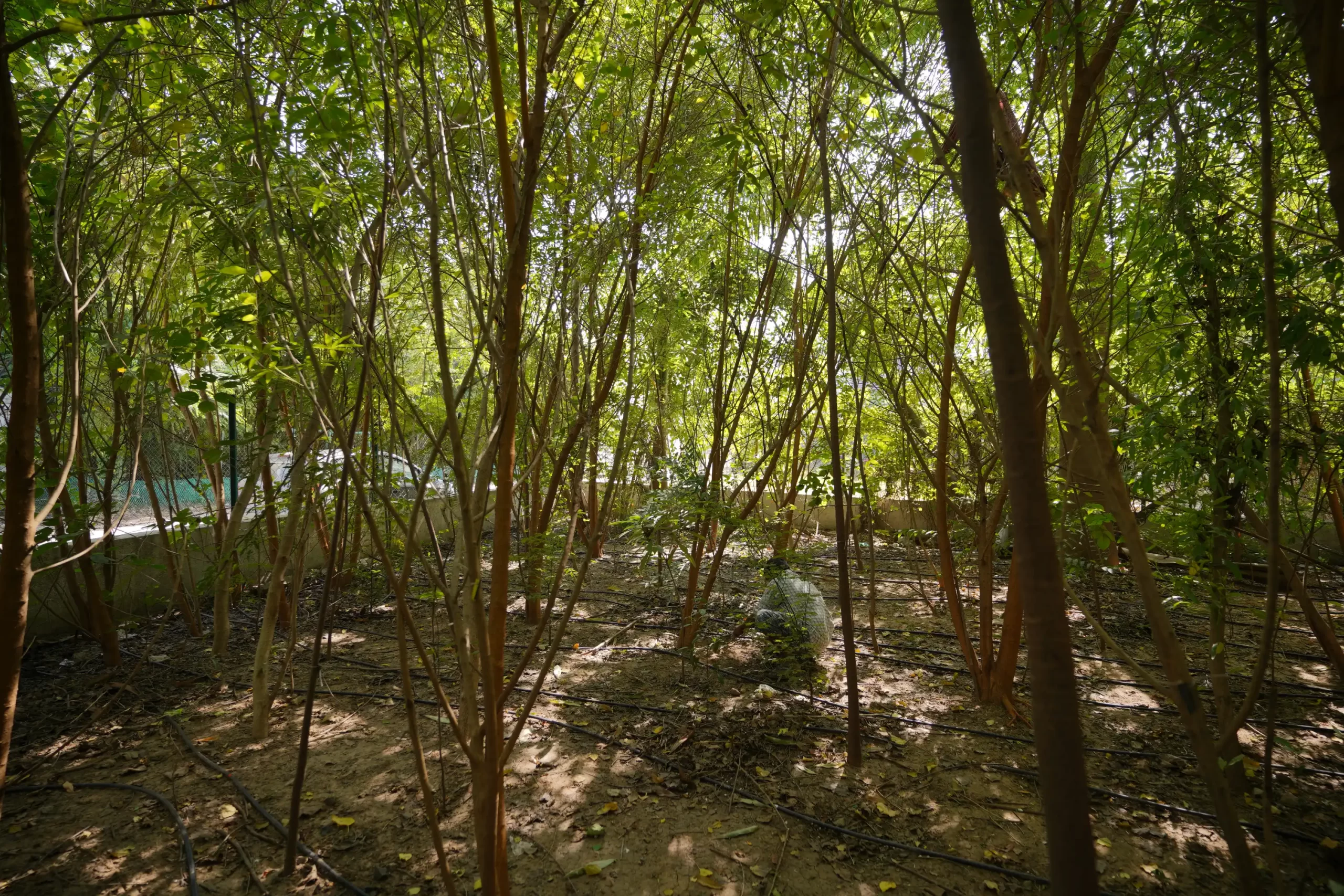
Afforestation Programmes
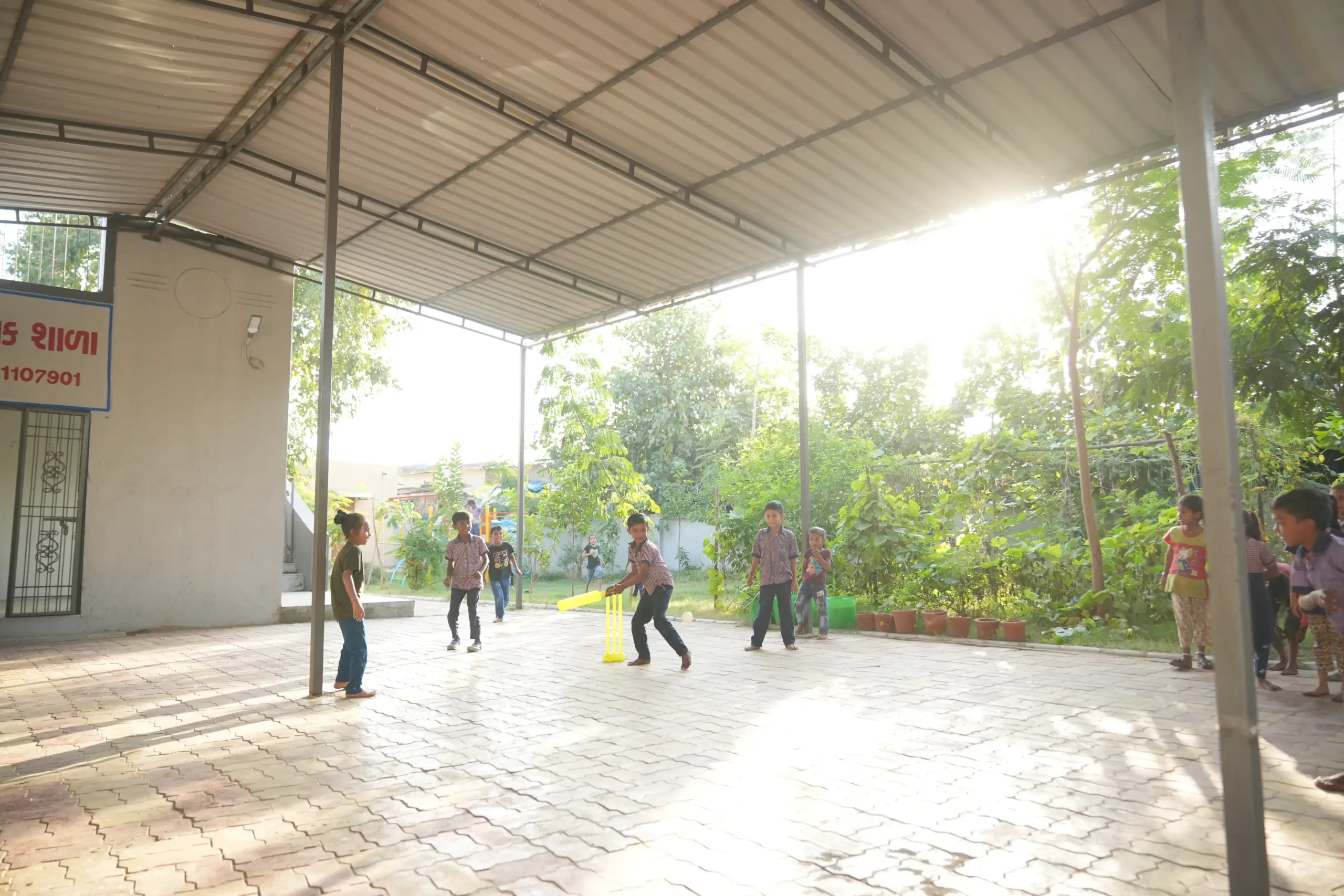
Green Model Schools
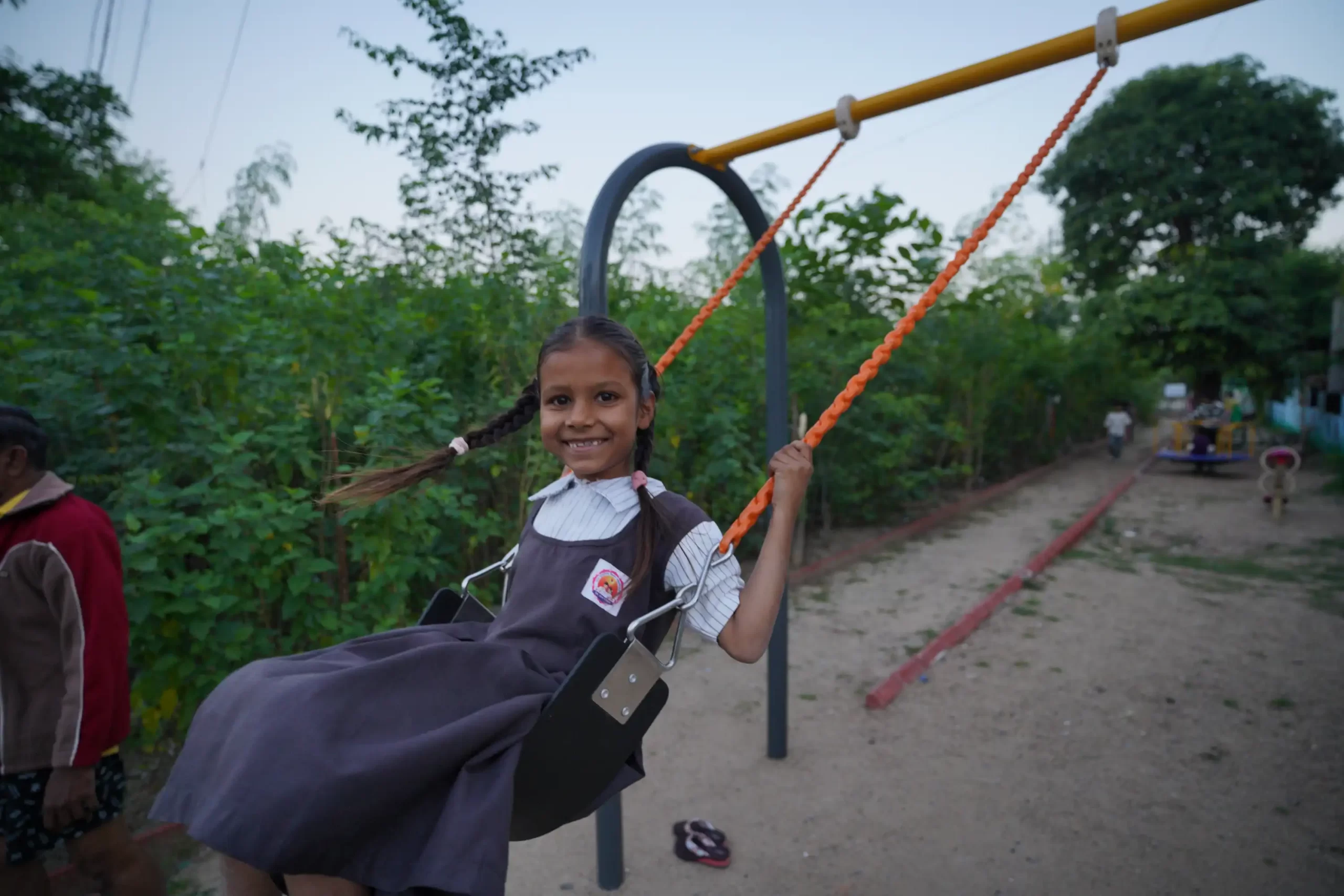
Eco Park Development
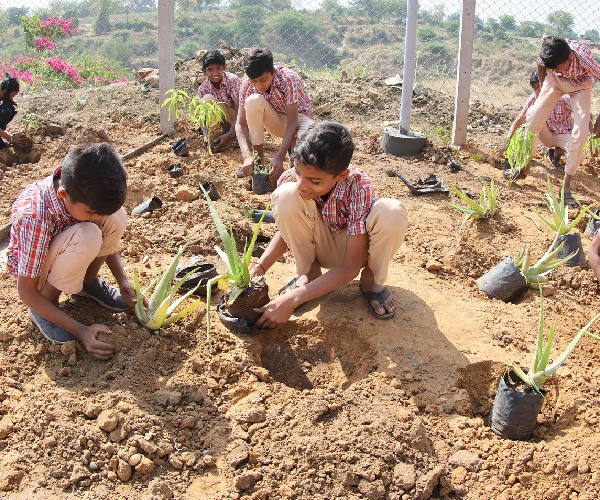
Campus Greening Initiatives
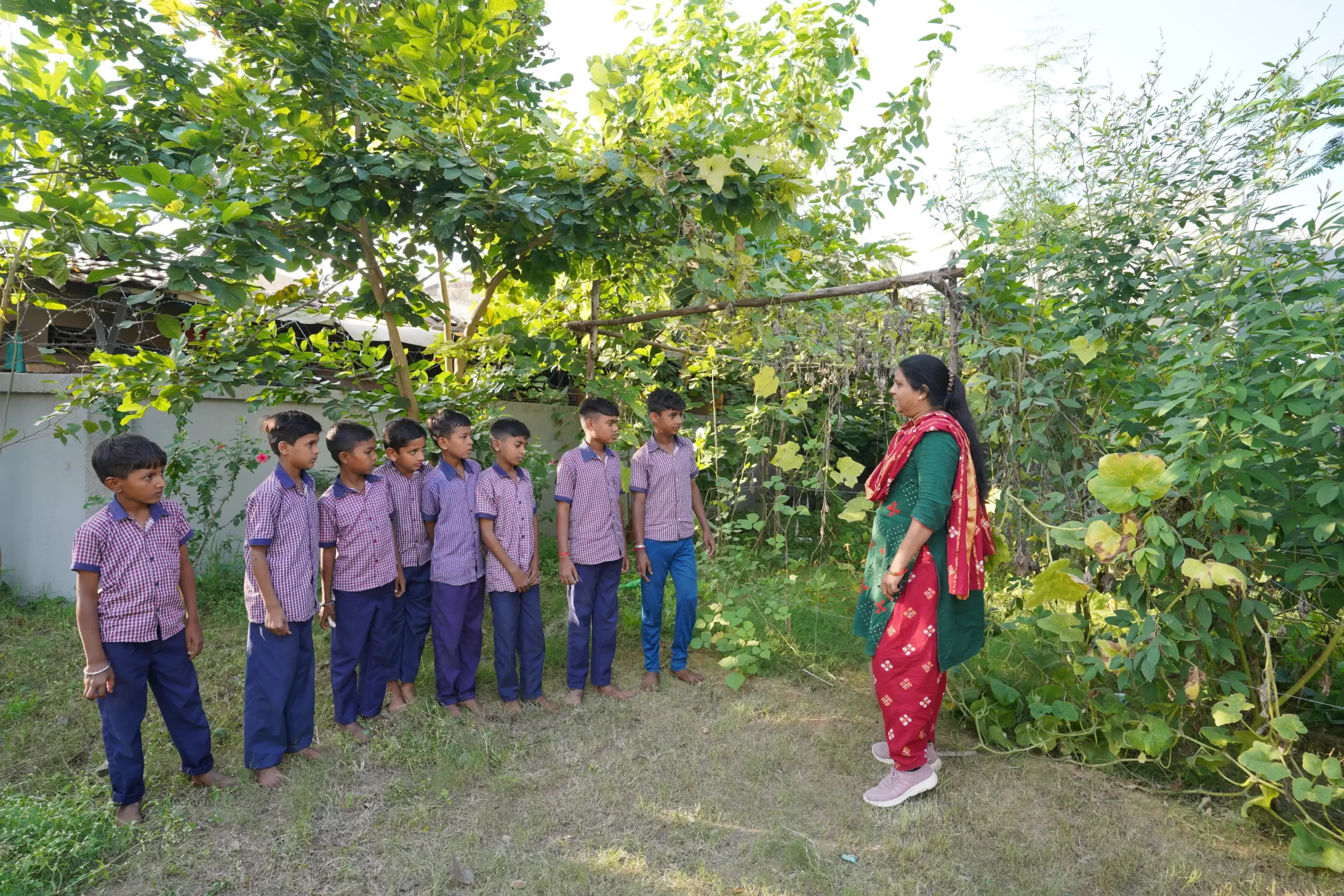
Kitchen Garden Development
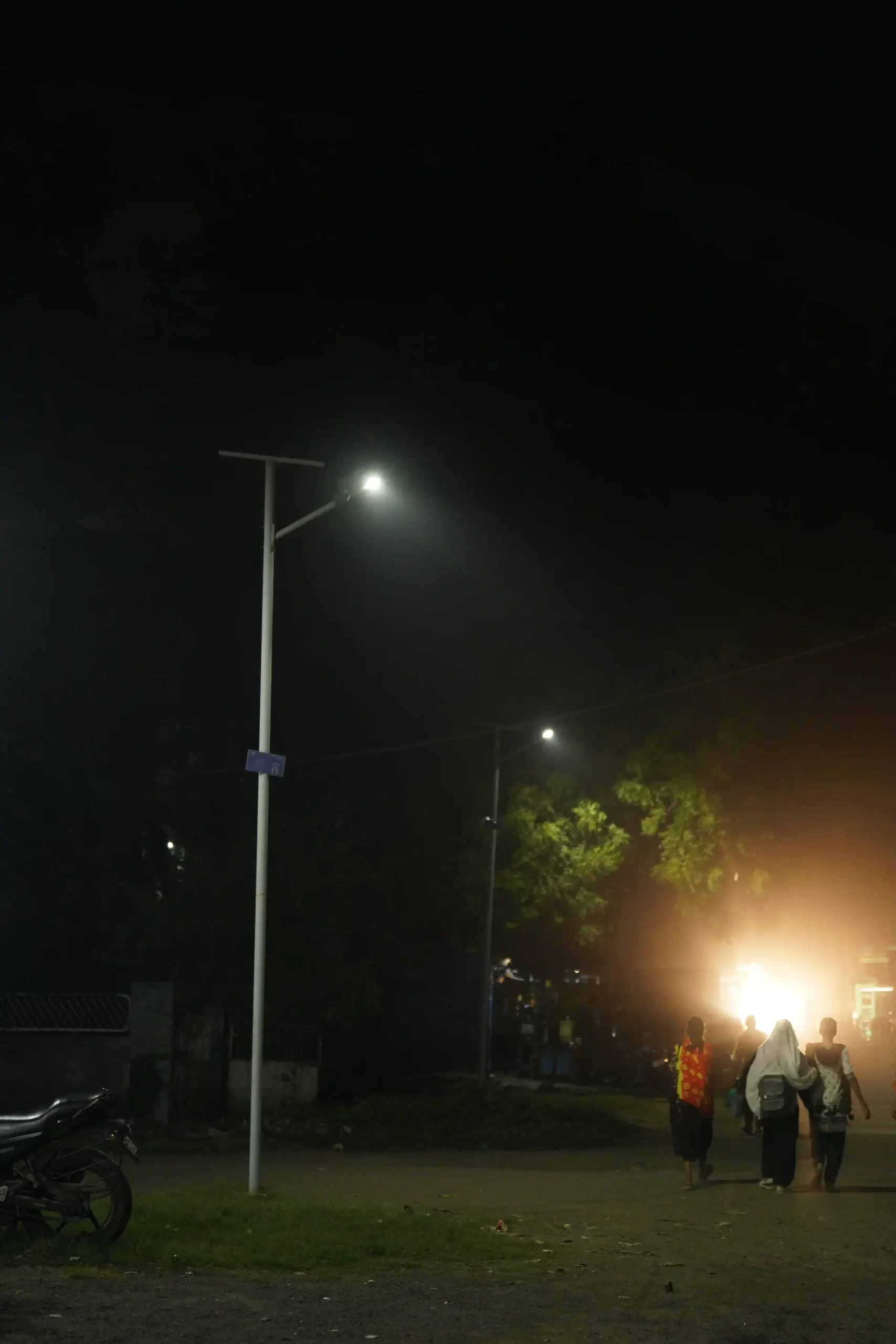
Solar Street Lights
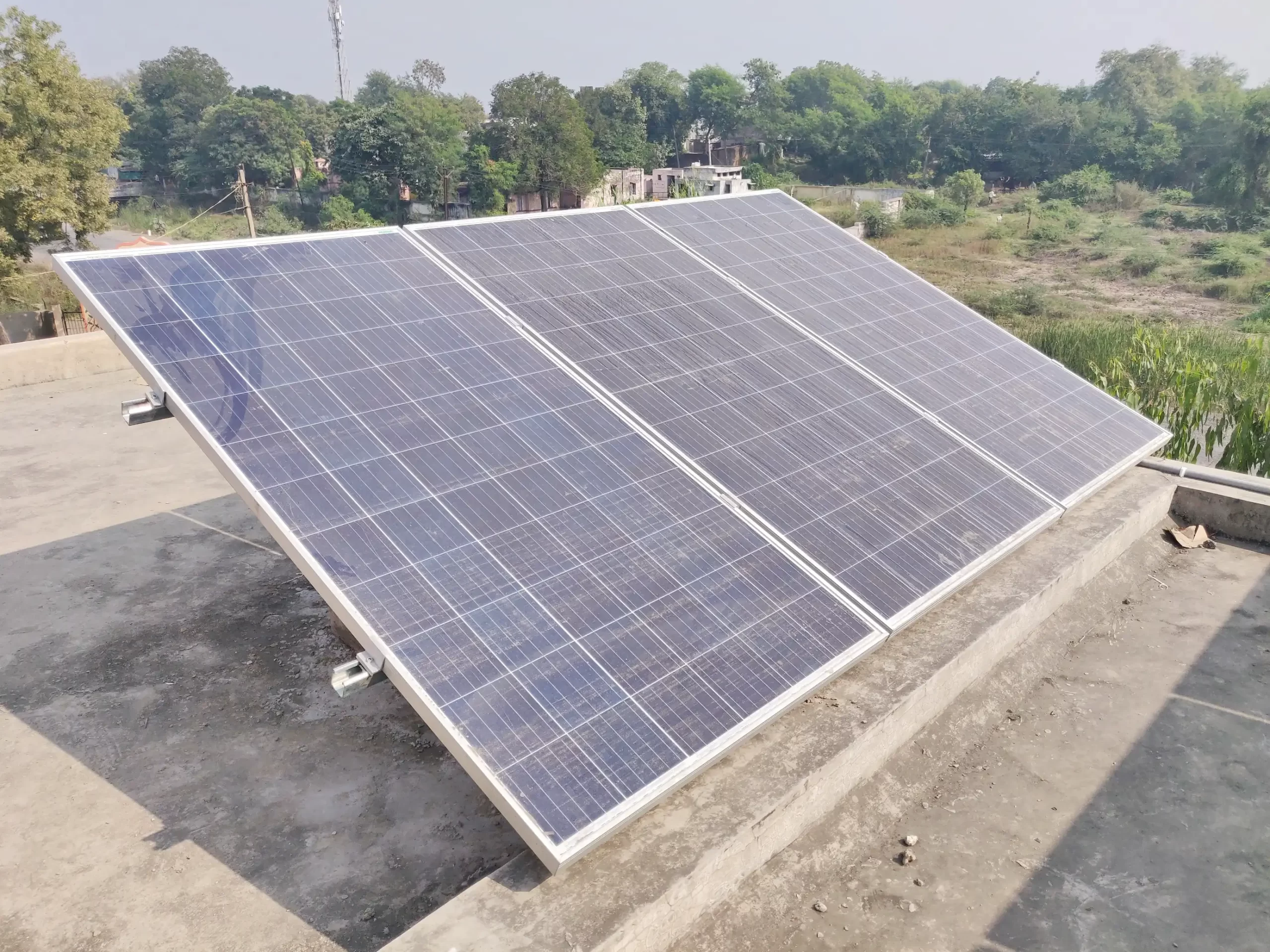
Rooftop Solar Systems
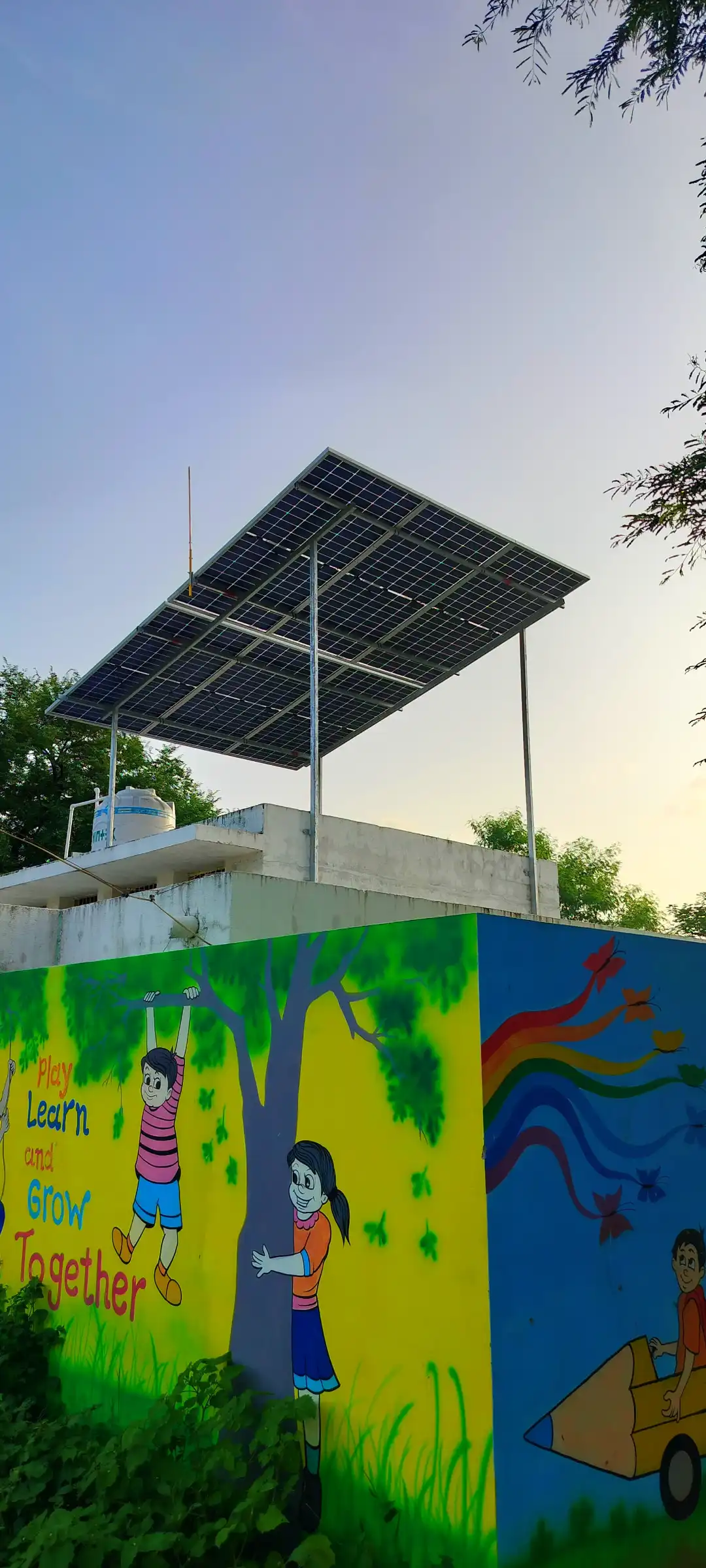
Renewable Energy Installations
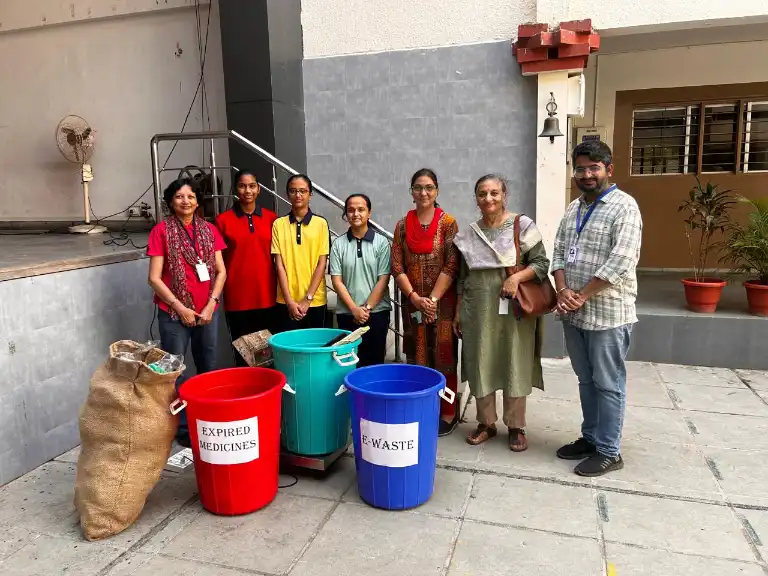
Green Campus Development
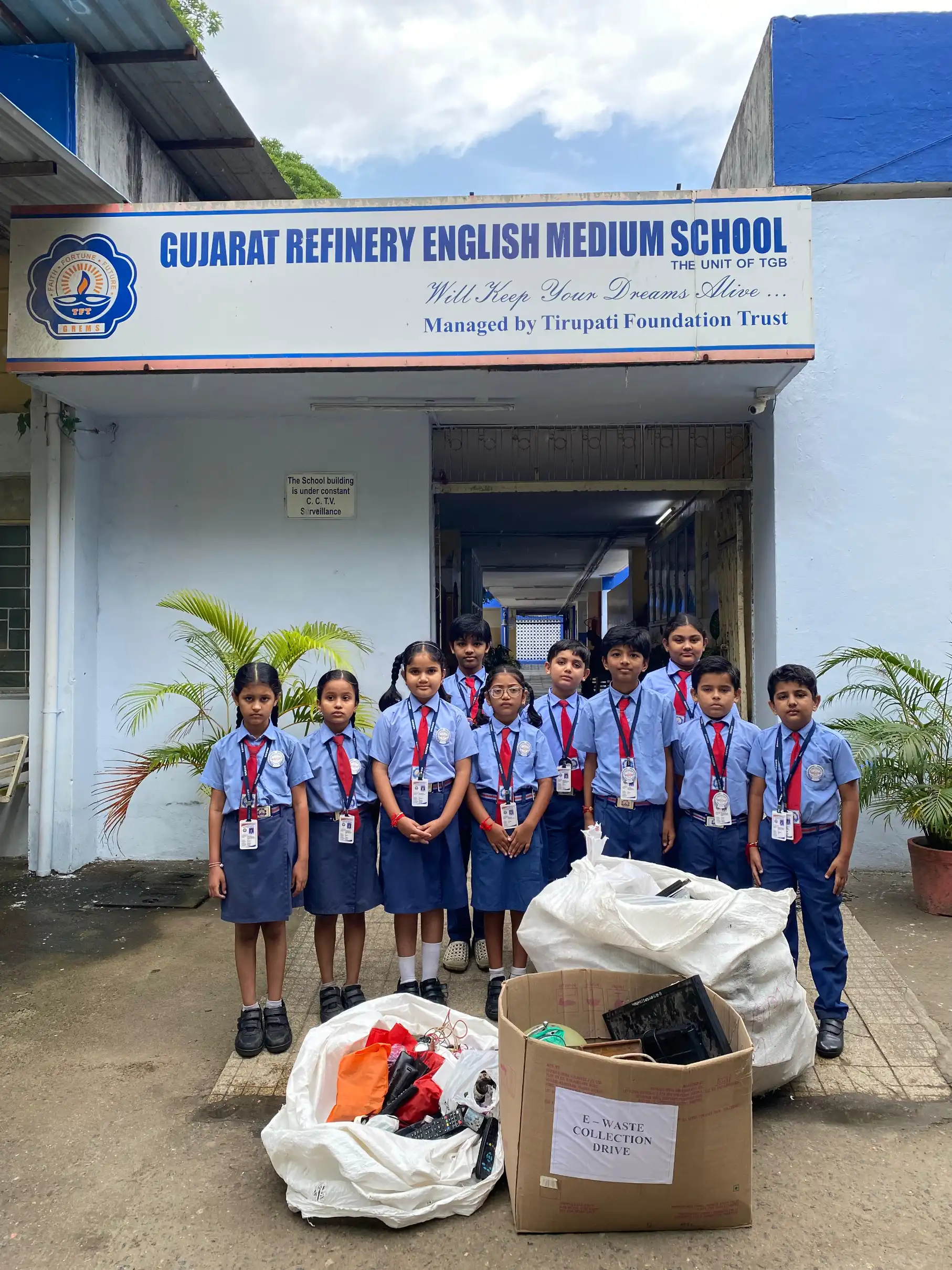
Environmental Education Programmes